
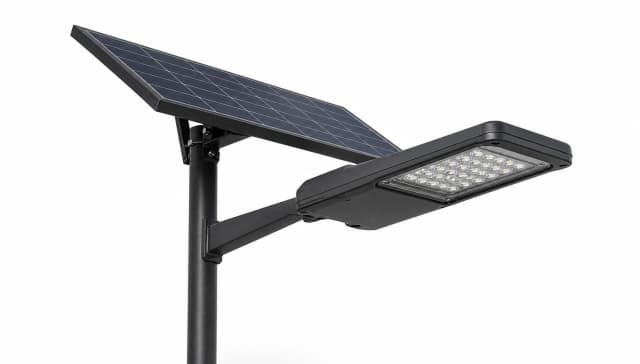
Lower power consumption
Efficient LED and solar-integrated solutions can reduce operating energy where project conditions make them a good fit.
 OULA LIGHTINGSearch the site
Sustainability focused on efficiency, durability, and longer product life.
A practical sustainability story built around energy use, service life, and lower maintenance burden.
A practical sustainability story built around energy use, service life, and lower maintenance burden.
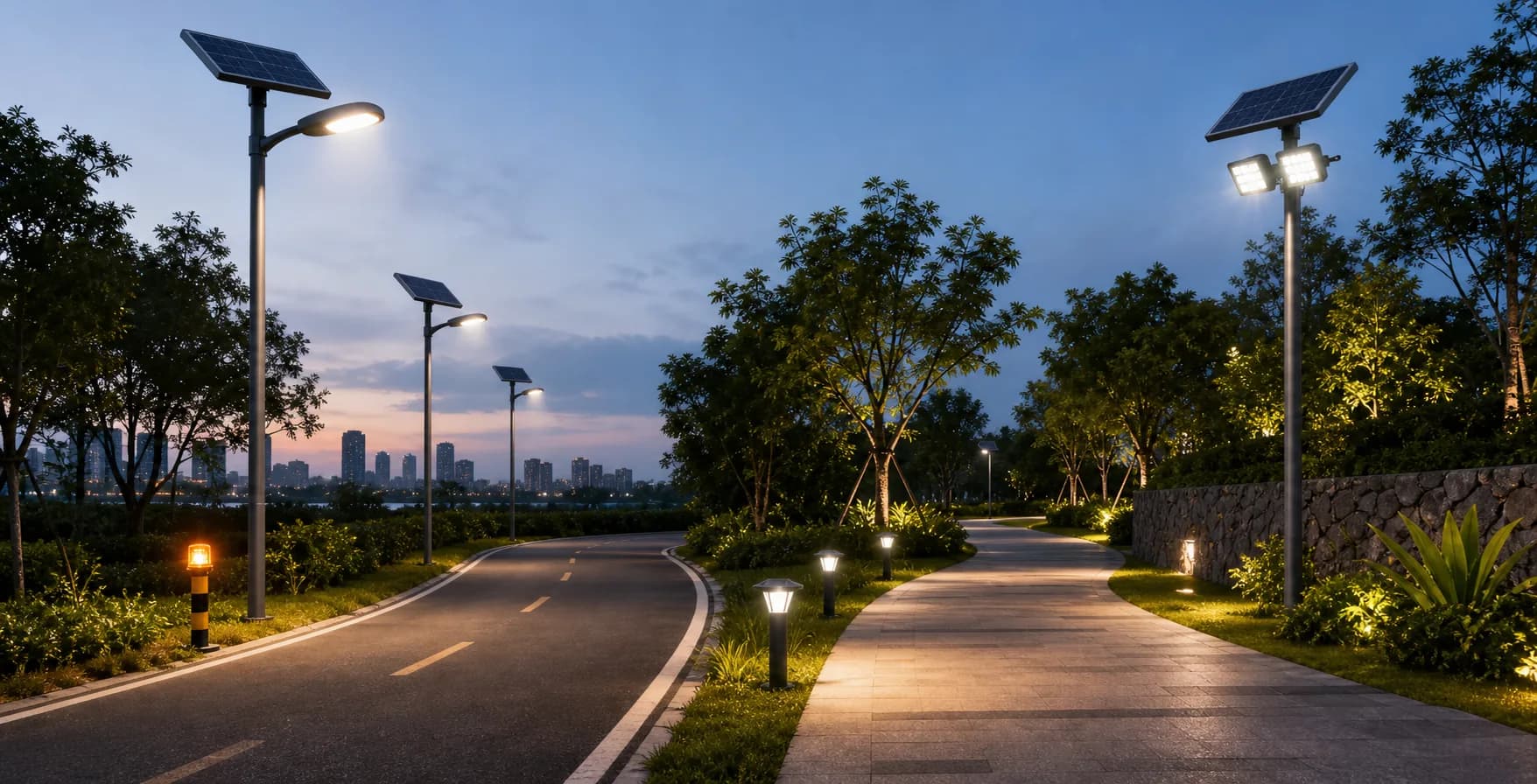
This page is about energy use, service life, and lower maintenance burden in the field rather than abstract environmental claims.
The useful story here is how specification choices affect energy use, maintenance frequency, replacement cycles, and packaging waste over time.
LED and solar-ready systems matter when they reduce operating load in applications where the technology genuinely fits.
Durability matters because fewer avoidable replacements usually means less waste and less disruption in the field.
A better product fit reduces unnecessary service visits and helps the sustainability story survive real operating conditions.
This page stays grounded in how outdoor lighting products are specified, deployed, maintained, and replaced over time, rather than treating sustainability as a separate marketing layer.
Efficient LED and solar-integrated solutions can reduce operating energy where project conditions make them a good fit.
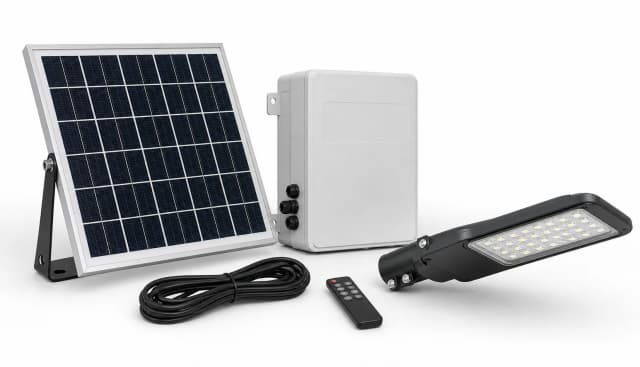
A more durable product reduces avoidable replacement cycles, maintenance disruption, and total waste across the deployment period.
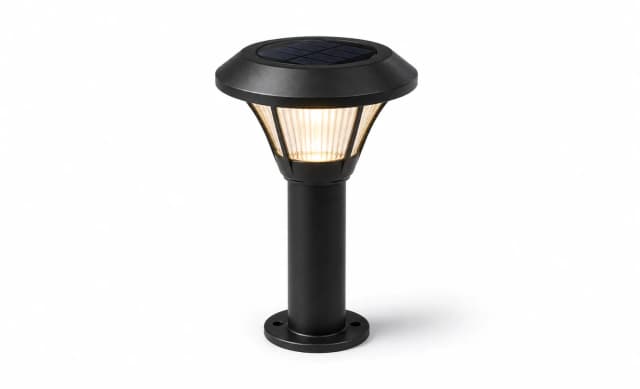
Better component selection and deployment fit help customers avoid unnecessary service visits and early product turnover.
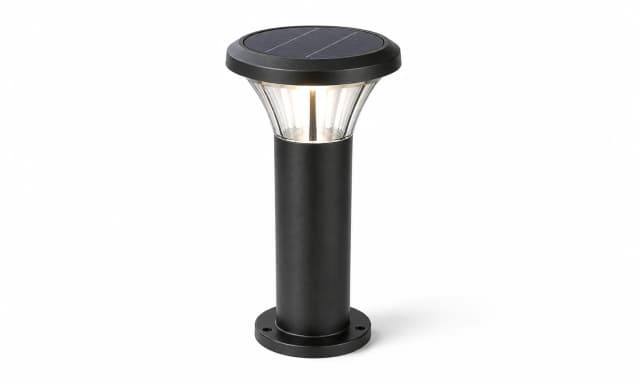
Packaging, fulfillment, and project structure can all influence waste and shipping efficiency when managed deliberately.
The strongest sustainability outcome usually comes from matching the right technology to the right site conditions, then supporting a longer, cleaner service life.
The first question is whether the application really benefits from LED efficiency, solar deployment, or other lower-maintenance configurations.
Product decisions should support durability, stable performance, and easier upkeep so fewer replacements are needed over time.
Packaging choices, shipment planning, and program structure all affect how much avoidable waste is created downstream.
These pages explain how OULA organizes manufacturing, quality, people, events, and long-term project support around the same customer-facing promise.
Review the checkpoints OULA uses to verify materials, assembly, performance, and shipment readiness.
Open pageUnderstand how qualified suppliers, production planning, and factory coordination support reliable delivery.
Open pageLearn how OULA supports international projects that need specification alignment, documentation, and communication.
Open pageIf the priority is lower energy use, solar deployment, longer service life, or cleaner replacement economics, we can help narrow the right path.