
Lighting product fit
Adapt the product without losing the details that make it reliable.
Start with the application, installation conditions, and required light effect. Then align optical, mechanical, and protection details around that brief.
 OULA LIGHTINGSearch the site
Configure the light around the installation, optical target, and product range.
Select the physical and optical details that determine how a lighting product installs, performs, and fits your market requirements.
Select the physical and optical details that determine how a lighting product installs, performs, and fits your market requirements.
Start with the application, installation conditions, and required light effect. Then align optical, mechanical, and protection details around that brief.
Choose output, beam distribution, color temperature, and color rendering around the intended task or architectural effect.
Confirm dimensions, brackets, cable exits, connectors, and protection level before the product enters the installation plan.
These are the specification areas most likely to change when a standard fixture must meet a particular project, channel, or installation condition.
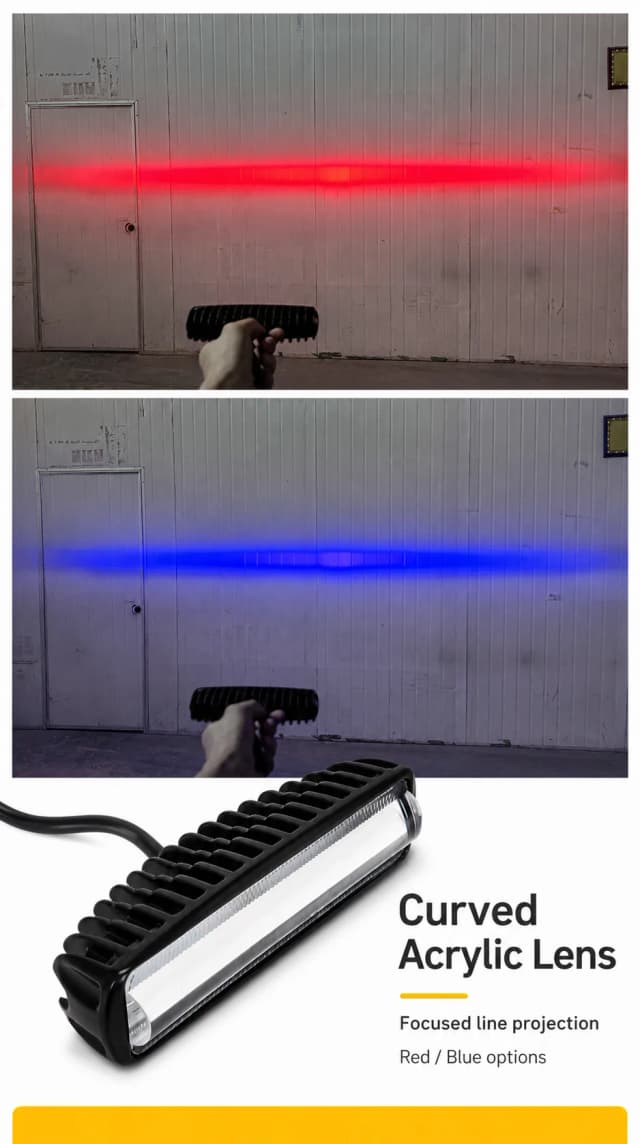
Specify beam, lens, diffusion, glare control, and wall-washing or task-lighting effect.

Select light appearance and color-rendering target for the space, material finishes, and end-user expectations.

Match material, finish, lens treatment, ingress protection, and impact requirements to the installation environment.
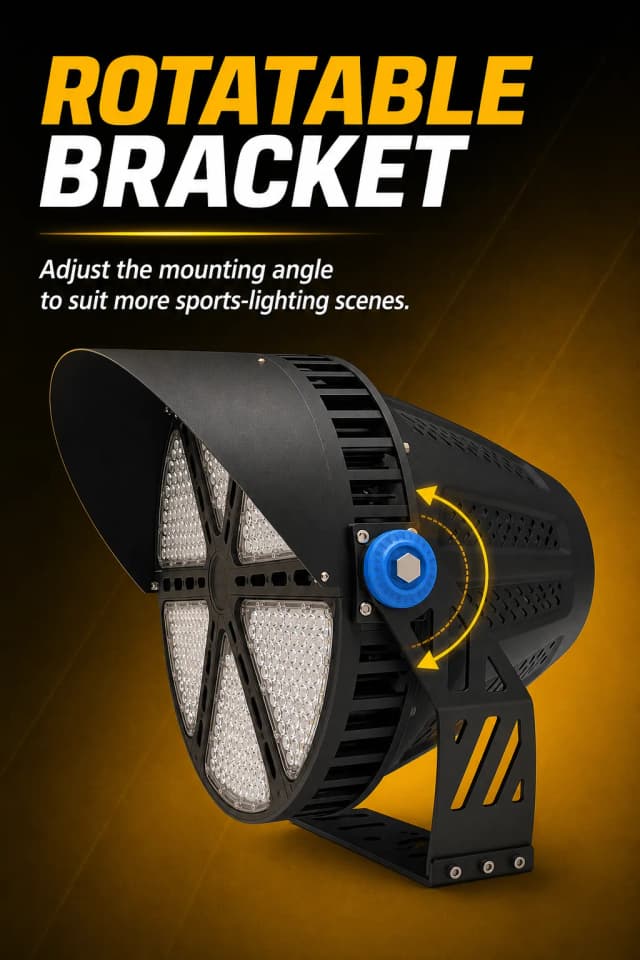
Define brackets, mounting points, cable length, connector type, and cable exit direction for faster site installation.
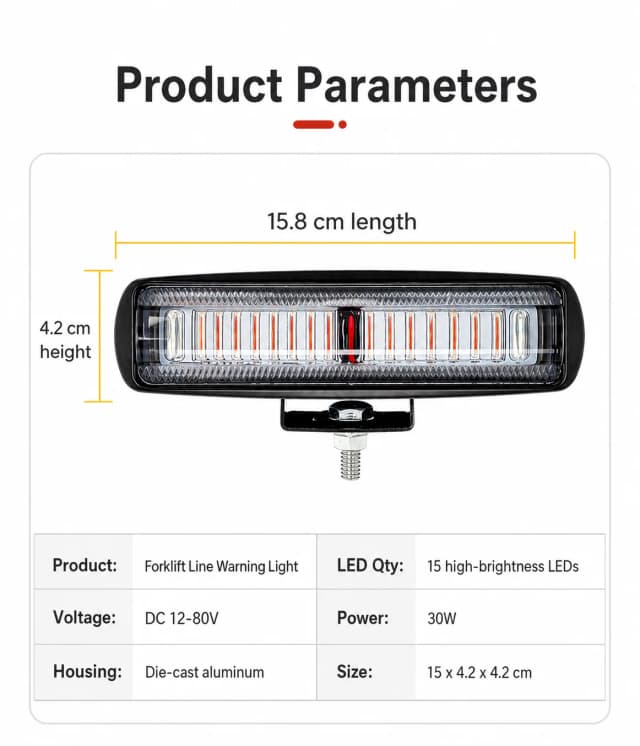
Adapt product length, fixture proportions, cut length, accessories, and packing format for the selected product family.
Send the product link, target application, quantities, drawings, and required specifications. We will identify the viable configuration before quotation.