
Lighting electronics
Set the electrical behavior before the fixture reaches the field.
A useful lighting brief includes input supply, driver behavior, dimming method, controls, operating environment, and any portable-power requirements.
 OULA LIGHTINGSearch the site
Specify the driver, control, power, and connection details behind the light.
Electrical configuration determines how a fixture dims, responds, charges, communicates, and performs in its intended lighting application.
Electrical configuration determines how a fixture dims, responds, charges, communicates, and performs in its intended lighting application.
A useful lighting brief includes input supply, driver behavior, dimming method, controls, operating environment, and any portable-power requirements.
Match switching, dimming, timers, photocells, motion response, or other controls to site operation.
Confirm AC or DC input, driver type, battery, charging interface, surge protection, and cable connection before sampling.
Align these details with the actual installation and local electrical requirements instead of treating them as afterthoughts.
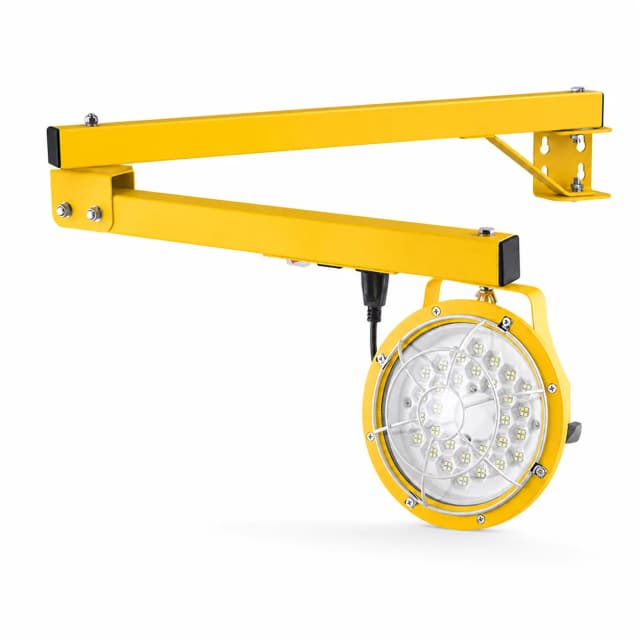
Specify driver input, output current, dimming interface, and compatibility with the selected LED module.

Select switching, 0-10V, DALI, PWM, timer, photocell, or sensor behavior where supported.
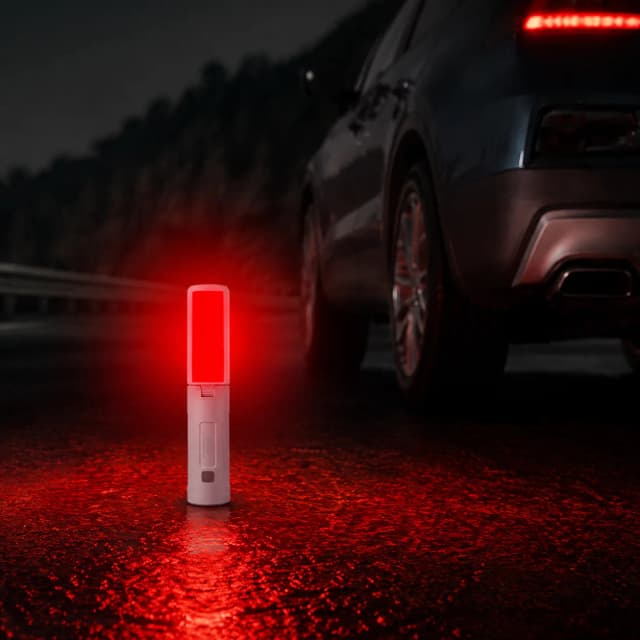
Define fixed color temperature, selectable CCT, RGB behavior, or scene-control requirements.
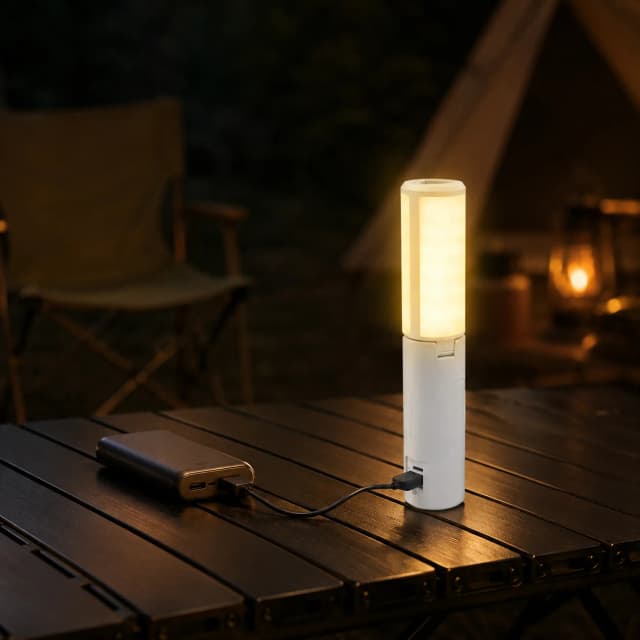
For portable or solar products, define runtime goals, battery capacity, charge input, and status requirements.

Confirm cable, connector, grounding, surge-protection, and environmental requirements for the installation.
Share the product, supply conditions, control method, runtime target, and destination market so review starts from correct requirements.