
Keep the problem statement plain
A city team does not need a dramatic narrative. It needs a defensible one.
The strongest framing usually starts with a site, a recurring concern, and evidence that shows why the concern is operationally relevant.
 OULA LIGHTINGSearch the site
How to frame a safer-streets conversation for city teams
City projects move faster when the conversation stays concrete: what the issue is, what the public sees, what the numbers say, and what the next operational step should be.
City projects move faster when the conversation stays concrete: what the issue is, what the public sees, what the numbers say, and what the next operational step should be.
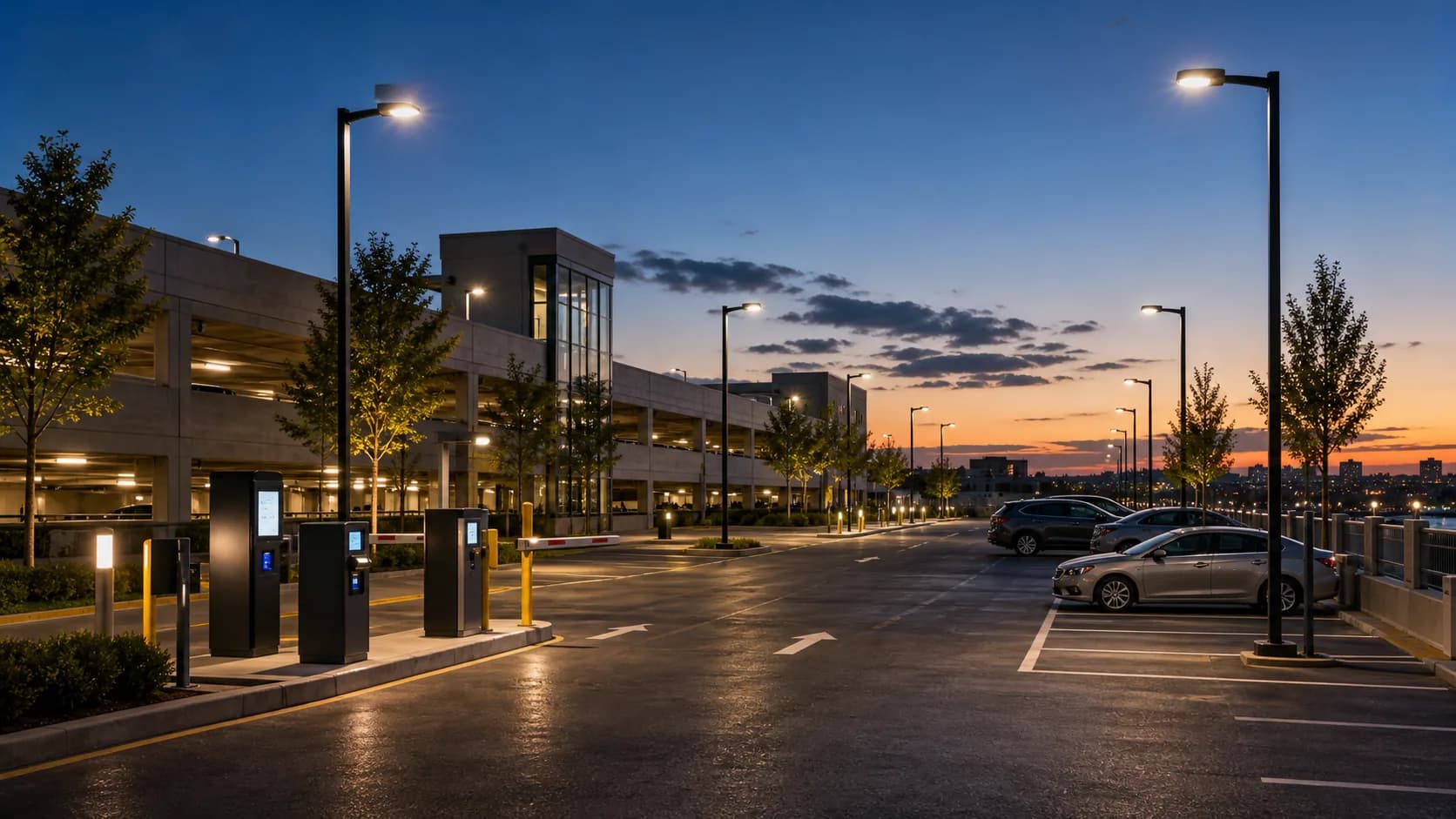
The strongest projects tie complaints, budget, and visible results into one simple story that all stakeholders can follow.
A city team does not need a dramatic narrative. It needs a defensible one.
The strongest framing usually starts with a site, a recurring concern, and evidence that shows why the concern is operationally relevant.
Stakeholders respond better when a project is explained as a sequence of practical outcomes rather than a list of products.
That means showing how the chosen intervention improves visibility, circulation, compliance, or response speed in a way that can be recognized by staff and residents.
The discussion should end with a specific path: measure, compare, select, deploy, and review.
That structure helps public teams move from concern to procurement without turning the conversation into an open-ended debate about every possible tool.